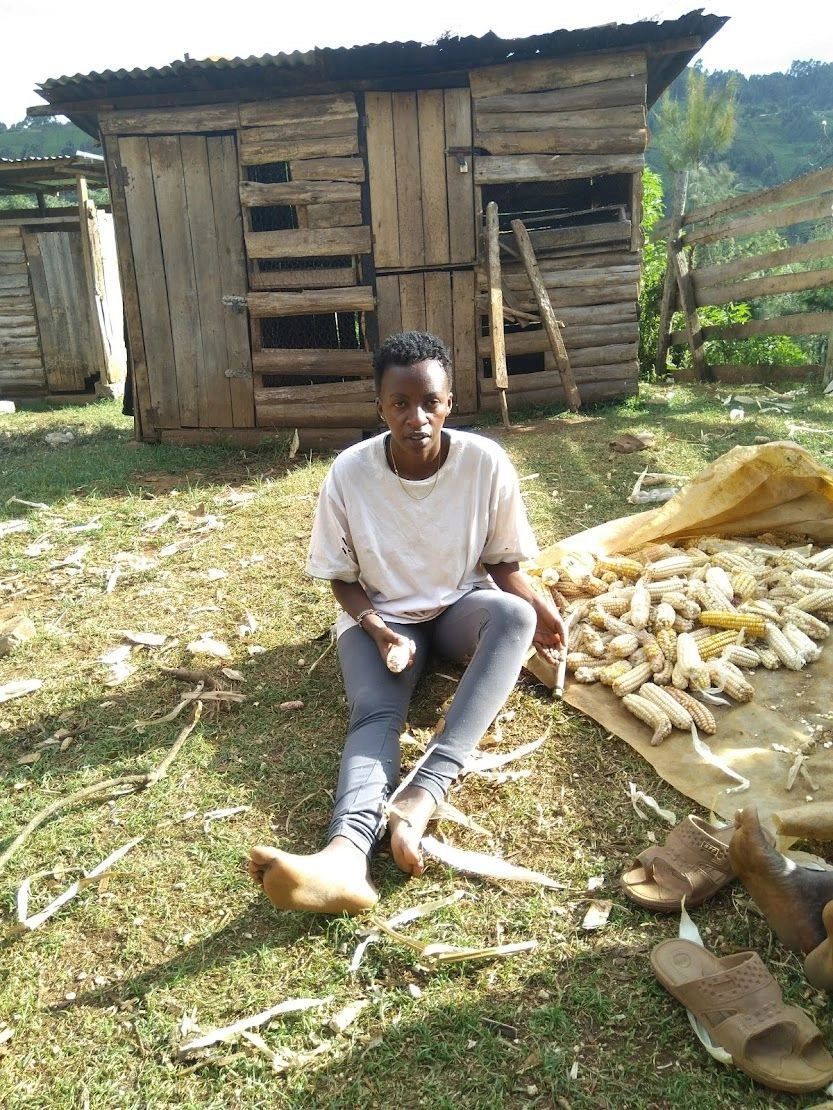
I was born and raised in Kenya, in a culture that shaped me with strength, faith, and community. It also shaped me with questions. I grew up watching how women carried families, communities, and pain—often silently. I saw how sexual violence was whispered about, how shame was placed on survivors instead of accountability on harm. Even as a young woman, something in me resisted that silence. I did not yet know I would one day found an organization, or speak publicly, or raise funds across continents. I only knew that I cared deeply about dignity, especially for women and girls whose stories were ignored.
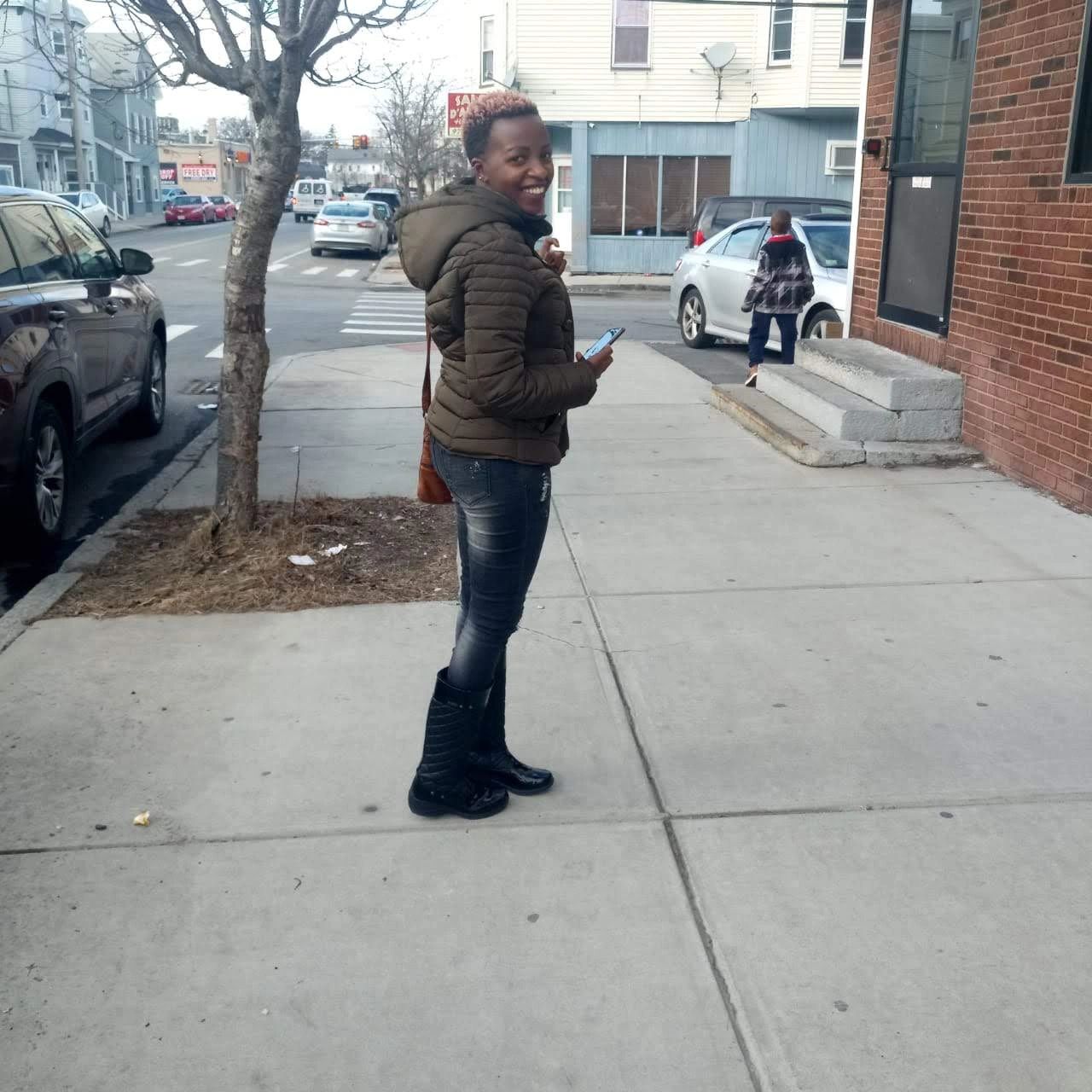
My journey to the United States was not a polished leap into opportunity. It was uncertain, humbling, and at times lonely. I arrived first in Massachusetts, and later in Maine, without a built-in network and without the confidence that comes from speaking flawless English. During COVID, while the world slowed down, I sat at my computer and attended every free Zoom call I could find. Nonprofit trainings, racial justice conversations, community forums—if it was open, I logged in. I listened more than I spoke. I introduced myself in chat boxes. I followed up with emails. I was determined to understand how this country worked, how organizations were built, and where immigrant women like me fit inside those systems.
When I moved to Maine, I knew almost no one. I would search online for nonprofits and community organizations and send introduction emails, sometimes rewriting them again and again before pressing send. I did not have perfect language, but I had clarity of purpose. Slowly, responses came. Conversations led to connections. Connections led to collaboration. Out of those small, courageous steps, Wounded Healers International grew into something real and rooted.
Wounded Healers International was born from lived experience and from a belief that survivors are not broken people in need of pity; they are leaders in waiting. Our work now spans Kenya and Maine. In Kenya, we support young mothers and girls impacted by sexual violence through safe housing, education support, childcare, and community-based empowerment programs. In Maine, we create culturally grounded healing spaces for immigrant women who are navigating trauma, isolation, fear, and the complexity of rebuilding life in a new country. I am deeply involved in the fundraising because I believe that when the mission is honest and urgent, it deserves to be resourced. I am not afraid to ask. I am not afraid to knock. I have learned that doors do open—not always immediately, but persistently.
Alongside this work, Maine Afro Yoga Project emerged from my own healing. Yoga was not something I grew up with in Kenya. It found me during a season of transition and self-reflection in America. Sitting in meditation gave me a kind of freedom I had never fully experienced before—the freedom to question inherited beliefs, to release patterns that no longer served me, and to write my own narrative without the weight of constant cultural expectation. Movement helped me process grief and identity shifts. Breathwork steadied me when immigration uncertainty felt overwhelming. Nature restored me when leadership felt heavy.
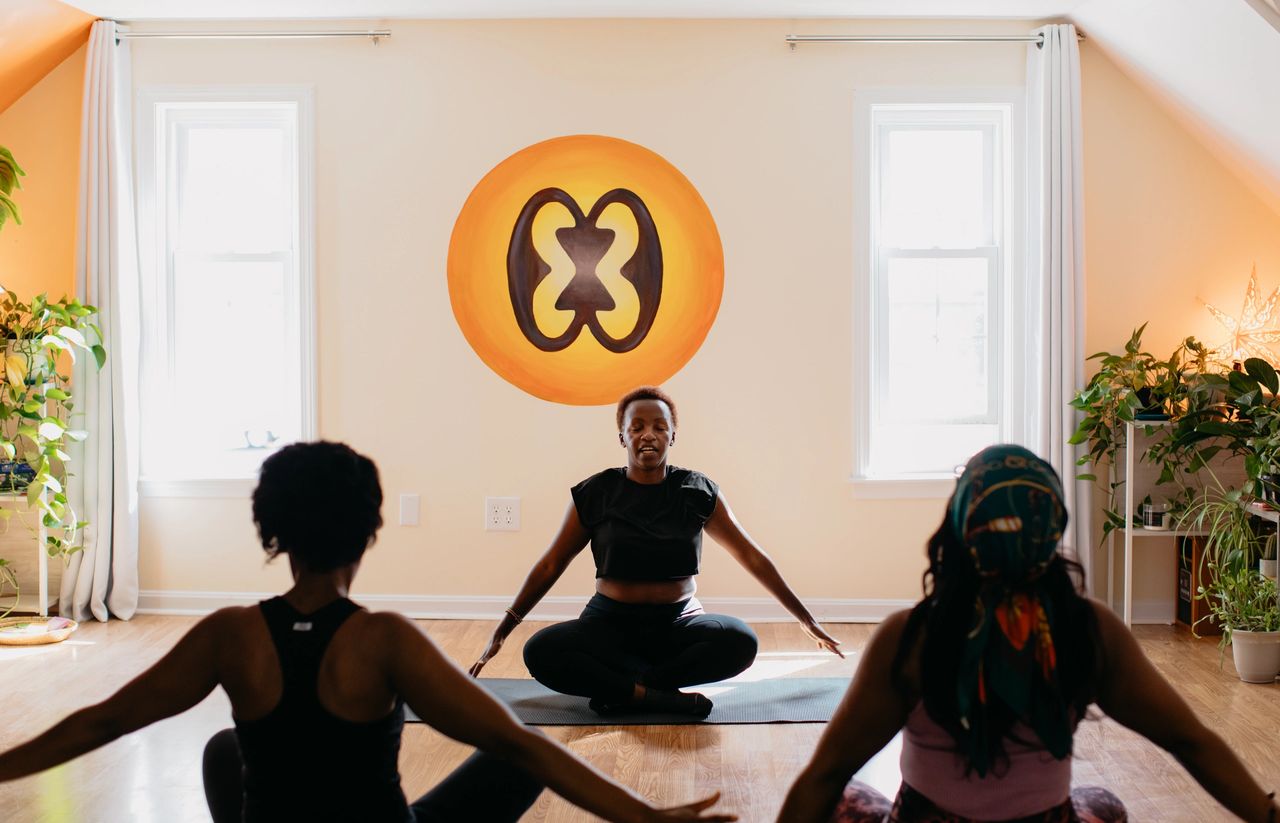
Today, Maine Afro Yoga Project has become a multilingual, trauma-informed wellness space where immigrant women hear their languages spoken and see their cultures honored. In our studio, multiple languages flow in one room. Women who once felt invisible find themselves grounded in their bodies again. The classes are not simply about flexibility; they are about belonging. They are about nervous systems settling. They are about women remembering that their bodies are not places of shame but places of wisdom. The work is quiet, but its impact is profound.
My cultural consulting grew naturally out of these experiences. I found myself in rooms where decisions were being made about immigrant communities without immigrant voices present. I knew I could bridge that gap. Through speaking engagements, trainings, and consulting, I help organizations understand cultural nuance, trauma-informed practice, and the intersection of immigration, gender, and resilience. I speak directly but with care. I believe truth can be firm and compassionate at the same time. My role is not to accuse; it is to illuminate.
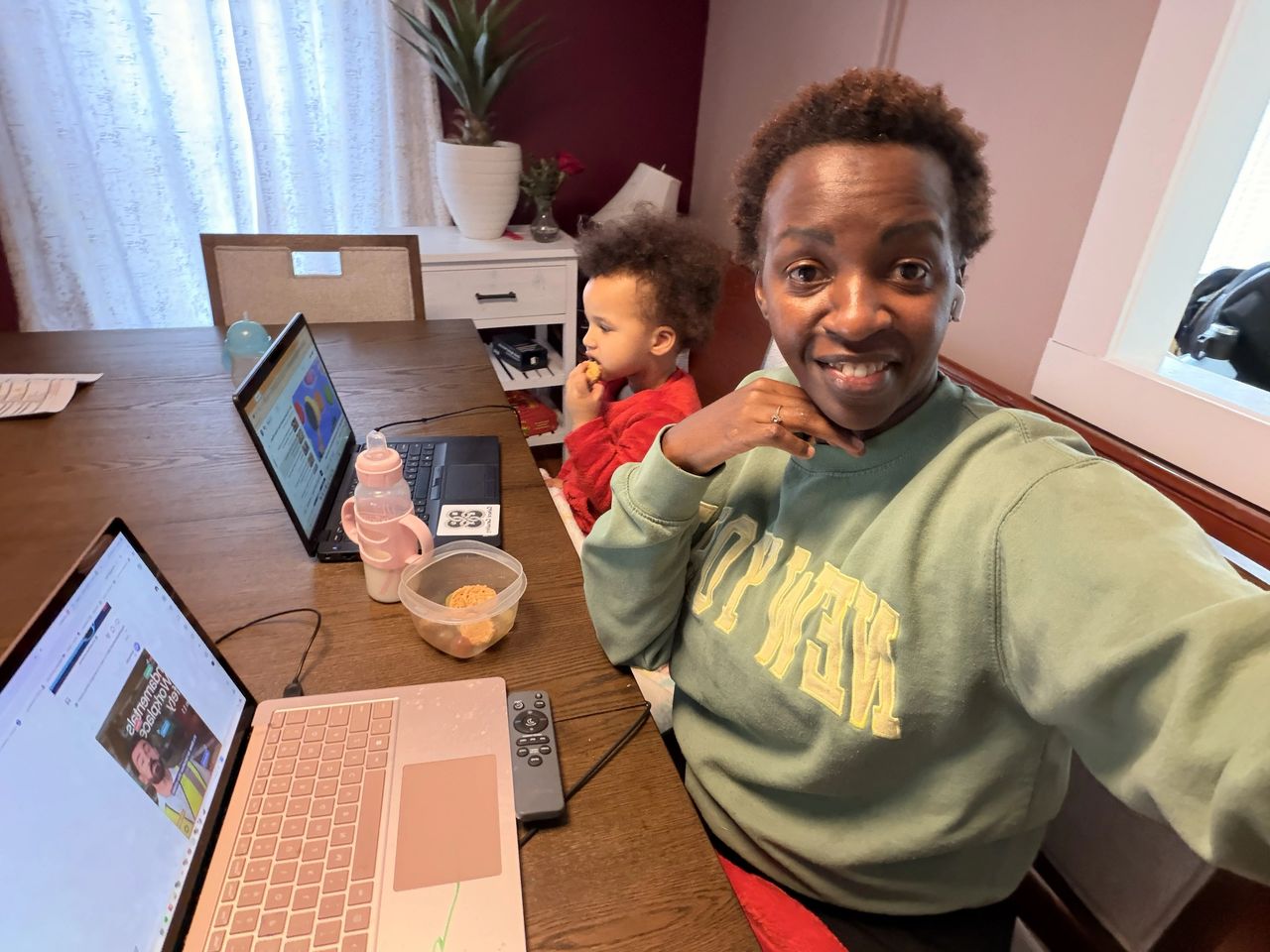
Motherhood weaves through all of this. I have two children, eighteen years apart. Becoming a mother again later in life while leading organizations has reshaped my understanding of balance. There are days filled with grant deadlines and board meetings, followed by bedtime routines and toddler laughter. The gap between my children mirrors the gap between chapters of my own life—who I was, who I became, and who I am still becoming. They anchor my work in something deeply personal. When I advocate for safer communities, I am thinking about their future.
People often ask how I remain joyful while working in spaces that confront sexual violence and injustice. The answer is not that life has been easy. It is that joy is intentional. I have learned to find it in small, ordinary things: walking through Maine woods, sunlight on water, women laughing together after class, a donor saying yes, a young mother in Kenya returning to school. I do not have everything, but I have purpose. And purpose fuels joy.
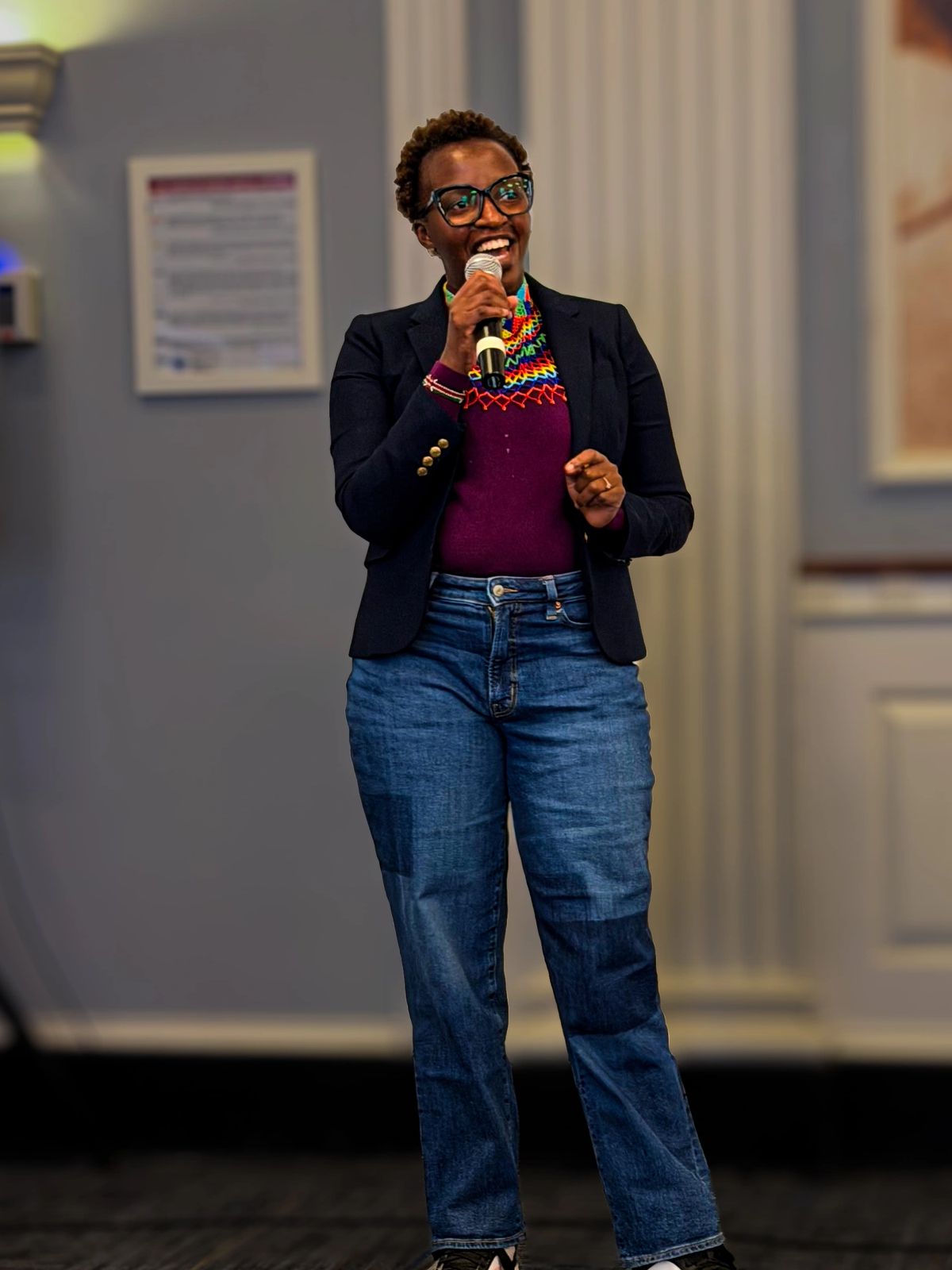
I am still building. Still learning. Still navigating marriage, motherhood, migration, and leadership. But I carry an unshakable belief that everything is possible when courage meets community. From Kenya to Maine, from silence to speaking, from isolation to collective healing, my life’s work continues to center on one conviction: wounded people can become healers, and healing, when rooted in culture, movement, and truth, can transform entire communities.
If you are here reading this, I hope you will explore the work more deeply. Wounded Healers International, Maine Afro Yoga Project, and my cultural consulting are not separate paths; they are threads of the same story—a story still unfolding, still expanding, and always rooted in dignity.